
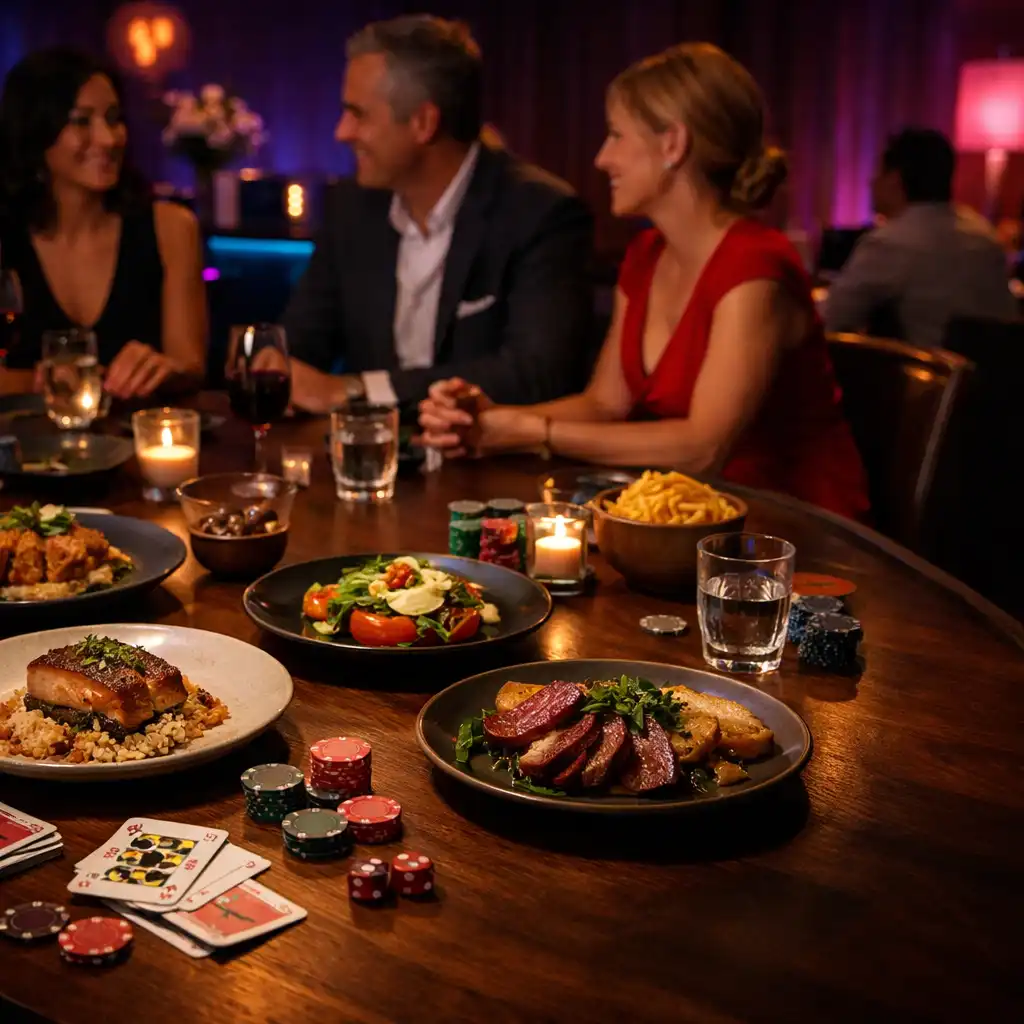
Diners enjoying plated dishes around a timber table in a late-night Melbourne card lounge.

Australia / in-person card lounge / offline entertainment

Choose a restaurant story with good food and room for a social card session

Top 10 Guides AU helps Australian diners compare Top 10 dining notes, card-room details, offline poker sessions, table feel, restaurant mood, seasonal menu pairings, host guidance and private gathering ideas before planning a face-to-face night out.
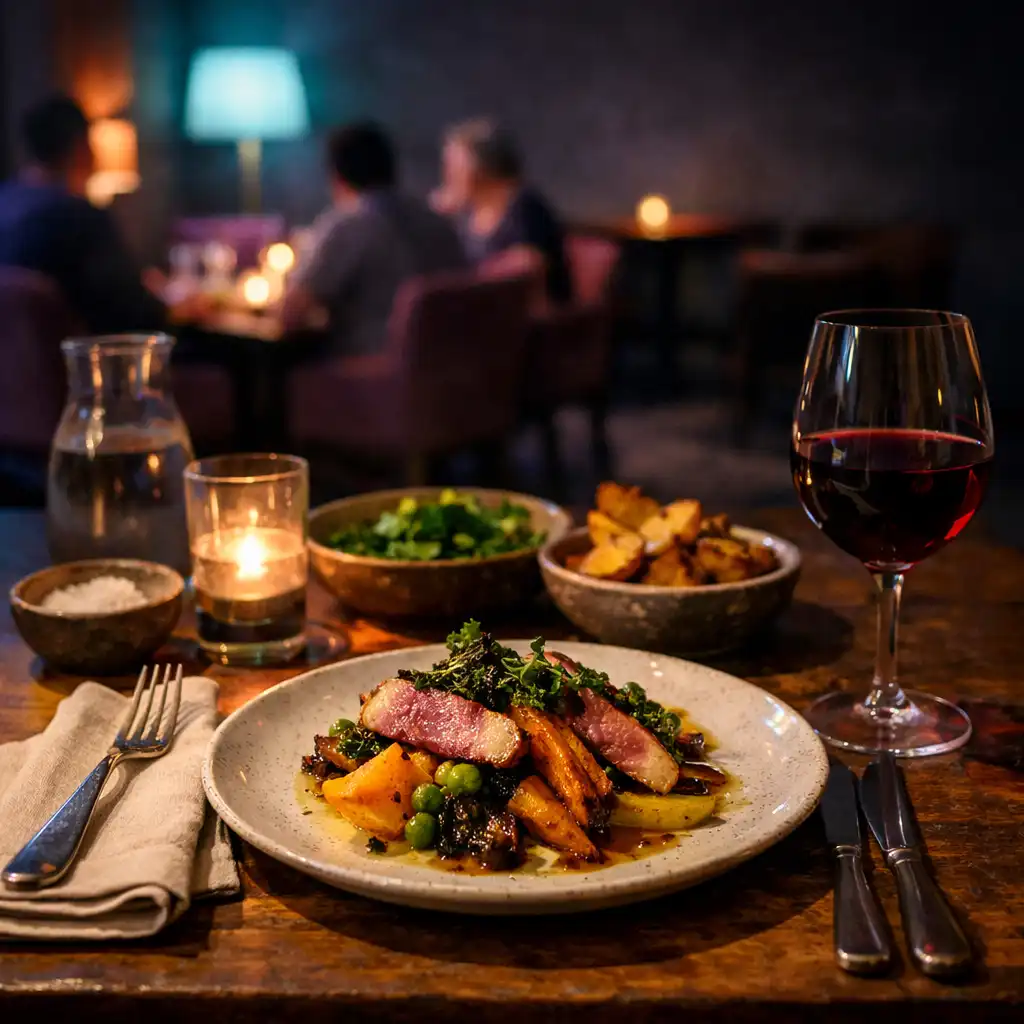
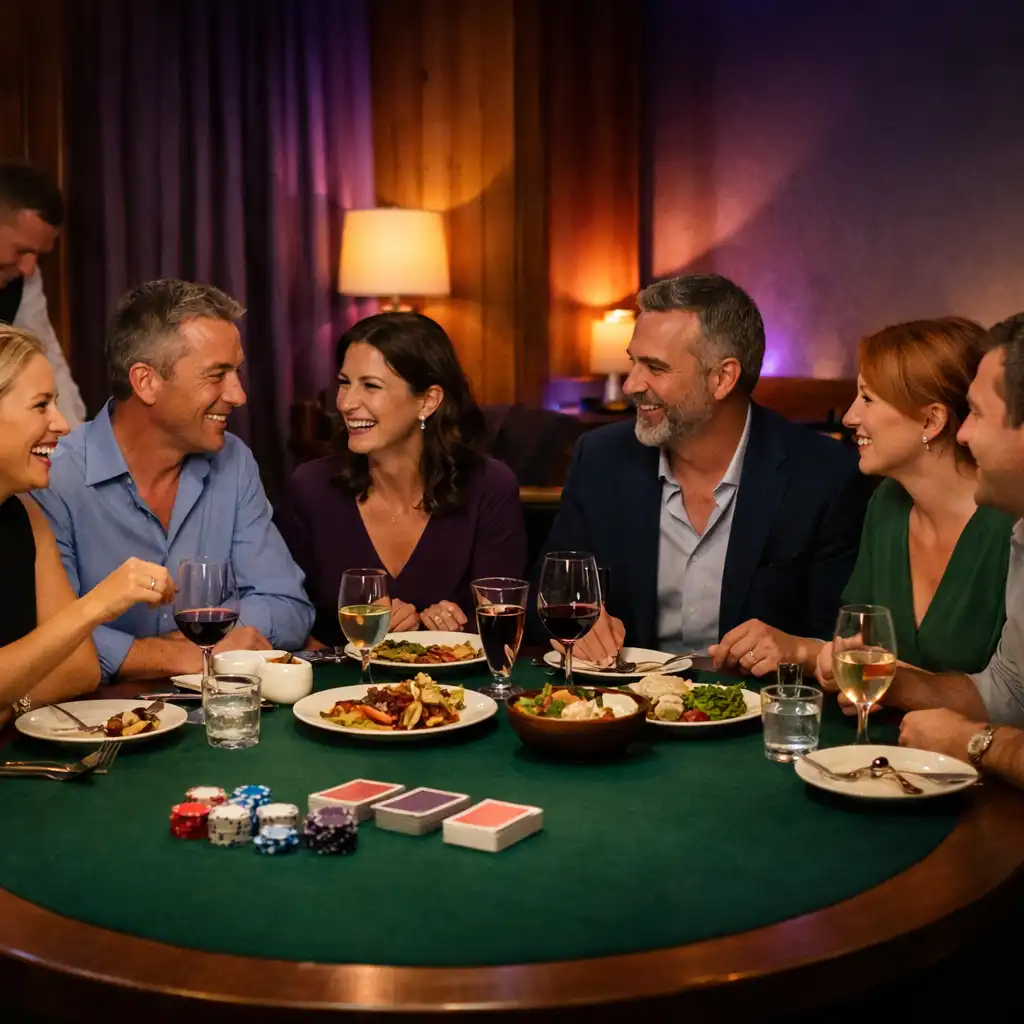
Table notes / 01

Choose the right dinner story

A useful Top 10 choice begins with the dinner you want, then checks whether the room supports an unhurried shared-table experience. Read for food style, table spacing, service pace and the amount of conversation your group hopes to have. The best starting point is the story that makes the whole night feel considered, not merely busy.

01

Dining notes

Start with the meal

Our dining notes focus on menu style, shared dishes and the pace of service. They help you picture when conversation can open up and when a simple face-to-face card table can sit quietly alongside dinner, without becoming a distraction from it.

Read Top 10 dining notes

02

Table-ready setting

Check the table shape

Look for a quieter corner, a practical surface and enough room for plates, conversation and a few non-financial table props. Dining comes first; the guide helps you consider a setting rather than assume every venue suits the same arrangement.

View table dining guide

Planning lens

03

Occasion fit

Match the night

A date night, a few friends, a celebratory meal and a hosted gathering all need their own rhythm. Start with the mood your group wants, then use the restaurant story to decide whether a card-lounge moment belongs in the evening.

Explore mood guidance

Venue file / 02

Read the room before you book

Best 10 card-room restaurant details are about the room as much as the menu: how a table sits within the dining floor, where conversation can settle and what kind of visit the space may support. These guides help you understand atmosphere and practical fit, rather than promise one uniform experience.

Dining signal

Check meal style, service tempo and whether the room reads lively, low-lit or more conversational. Those cues make it easier to choose a dinner pace that suits your group.

Check Best 10 details

Table signal

Consider table proportion, seat arrangement and a sensible place for cards or non-financial chips between courses. Keep food, shared dishes and staff access as the priority.

Check Best 10 details

Social signal

Look for an atmosphere that feels easy-going, celebratory or suited to a small hosted occasion. It is a useful planning cue when deciding how much structure the night needs.

Check Best 10 details

Session window / 03

Set the pace for an offline session

Offline poker sessions work best when the dinner plan is clear first: arrive, settle into the meal, then bring out a simple face-to-face card activity when the table and group are ready. A relaxed approach gives everyone time to enjoy the restaurant, stay comfortable in the room and join the conversation at their own pace.

A seasonal plated dish with shared place settings beside softly lit lounge seating.
Illustrative seasonal dinner setting with shared plates, a considered table and a calm lounge mood.

Table format / 04

Make the table work for dinner

A poker-table dining experience is really a table-setting decision: choose enough room for plates and shared dishes, keep cards tidy and let conversation remain the main event. Think about physical comfort, easy service access and dining etiquette before deciding whether a face-to-face card activity fits the table.

  • Stable surface. Give plates, glasses and cards a clear, steady place to sit.
  • Comfortable service path. Avoid crowding seats or leaving staff to work around table activity.
  • Simple reset point. Put cards and non-financial table props away between courses to keep the meal clear.
View table dining guide

Ambience map / 05

Match the room to the night

Restaurant mood determines whether a card-lounge night feels intimate, social or celebratory, so it is worth choosing the room before settling on the table activity. Begin with the kind of evening you want your guests to remember, then find the guide that speaks to that atmosphere.

01

Quiet dinner

Low-lit and unhurried

These rooms suit dinner-led conversation, especially when cards appear only after the meal has found its pace and the group wants space to talk.

View mood guide

Planning marker

03

Hosted occasion

More breathing room

A private or semi-private setting can suit a milestone meal when a host wants to guide the sequence of food, conversation and cards without rushing.

View mood guide

Menu matrix / 06

Seasonal menu pairings make the evening easier to pace. Lighter courses can suit an early, conversational start, while shared dishes and a considered finish give a group natural pauses. Treat these as flexible observations when reading a restaurant story, not fixed rules about any particular menu.

Early table

Look for a meal structure that leaves room for introductions and conversation before any cards come out. Let the restaurant establish the evening first.

Shared courses

Choose dishes that can be enjoyed without crowding the playing surface or interrupting service. A clear table helps everyone share the meal comfortably.

Late lounge

Leave a calm final portion of the meal for a chat, a last card round or a simple host-led wrap-up, at a pace that suits the group.

Explore seasonal pairings

Host protocol / 07

Host the night, not the timetable

A good host makes the evening feel easy: choose the restaurant with the group in mind, set a simple arrival point and let the meal lead before introducing cards. The most welcoming plans leave room for people to join in, take a breather or simply enjoy dinner, without pressure to follow a rigid sequence.

01 / Before the table

Confirm group size, the atmosphere everyone enjoys and whether a quieter or more social table is the better fit for the occasion.

02 / During the meal

Keep cards and non-financial table props compact, allow staff a clear path and make it easy for anyone to step in or simply enjoy dinner.

Read Host Guidance
Friends sharing dinner around a refined table during a relaxed face-to-face card gathering.
A small social dinner with shared food, warm service and a relaxed face-to-face card-table moment.

Gathering file / 08

Plan a gathering with room to breathe

Private card-lounge gatherings can be shaped around the meal and company you want, from a small catch-up to a considered celebration with a simple face-to-face card activity. Begin with the restaurant experience, then decide how lightly the table activity should sit within the night.

  • Group size. Think about the number of guests and the kind of conversation you hope to keep together.
  • Dining mood. Choose whether the occasion should feel quiet, social or celebratory before reading the room.
  • Evening balance. Give meal, conversation and card-table time a simple, flexible shape.
Plan a Private Gathering

Field frames / 09

Field frames

The guide is built around details visitors can picture before choosing a night out: the room, the meal, the table and the people around it.

Frame 01 / lounge

Late-night room

Low practical light, a settled table and enough atmosphere for conversation to carry.

Explore card-room details

Frame 02 / meal

Seasonal detail

Shared plates, clear settings and a meal that gives the table a natural rhythm.

See seasonal pairings

Frame 03 / gathering

Hosted circle

A small group, warm service and a gentle face-to-face card-table moment after dinner.

Read gathering guidance
Browse restaurant guides

Quick answers / 10

Quick answers

Practical notes for choosing a restaurant story, preparing the table and shaping a comfortable small gathering.

Next step / 11

Need a guide for your occasion?

Visitors who want help deciding which guide suits their dinner, table mood or small gathering can send an enquiry to the editorial team. We can help point you towards the most useful restaurant story or planning route for a face-to-face night out.