
Session field guide / AU

Offline Poker Sessions

For Australian diners and card-lounge enthusiasts, this is a practical guide to in-person, offline table sessions where food, atmosphere, considerate conduct and easy planning all have a place.

In-person format guide Explore session styles
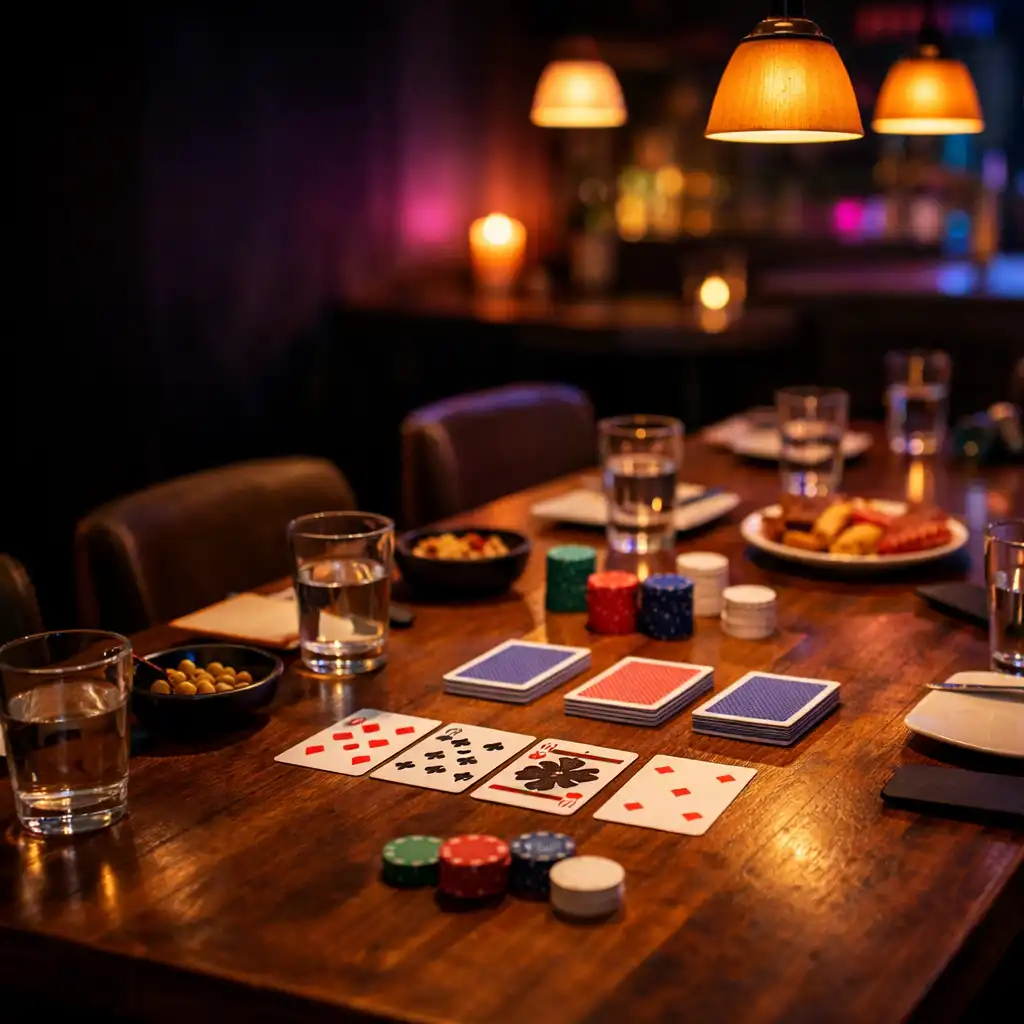
Long restaurant table set for an in-person card-lounge gathering with small plates, water glasses, cards and table props.
A shared restaurant table, food arriving in stages and an easy-going evening pace; cards and chips remain simple non-financial table props.

Table notes

A table activity, not a distraction

An offline poker session is an in-person table activity woven into a meal or lounge gathering. The useful part is the shared attention: people talk, eat, pause and return to the table without needing a digital format to carry the evening. In a restaurant, the room matters as much as the table. Good lighting, comfortable sound and calm service give the gathering space to breathe.

01

Choose room before rules

Start with the setting rather than a complicated plan. Look for a table large enough for plates, water and a clear central area, lighting that lets everyone read the table comfortably, and a sound level that supports conversation. A relaxed service rhythm helps the meal remain part of the occasion instead of an interruption.
Session window

Pick the session rhythm

There is no single right shape for an in-person evening. These four rhythms help you match a restaurant, a meal and a group without making the table feel over-programmed.

01

Slow table, long supper

Choose this rhythm when conversation should stay at the centre. Roomy seating, share plates and generous pauses between rounds suit first-time or mixed-experience groups. The table can settle gradually as dishes arrive, giving everyone time to eat, chat and take part without feeling hurried.

Best when: your group wants a sociable meal with plenty of room to linger.

02

A short lounge set

This compact format works before or after dinner when the social plan has a clear start and finish. Agree on an arrival time, keep the table setup simple and let the meal frame the activity. It is a useful choice for friends fitting a catch-up into a shorter evening.

Best when: you want an easy, contained table moment around a meal.

03

Host-guided round

A welcoming host can make a mixed group feel settled from the first few minutes. Brief name introductions, a quick explanation of the table rhythm and food chosen for sharing create a gentle structure. Newcomers can observe, ask questions and join in when they are comfortable.

Best when: guests do not all know one another or have the same experience.

04

After-dinner table

Let the meal unfold first, then move into a quieter lounge mood once plates have been cleared. Keep drinks and water within reach, favour a less busy corner and leave enough clear space for staff. This is an atmosphere choice for groups that prefer a more focused late-evening table.

Best when: dinner is the main event and the table is a relaxed final layer.

Venue file / 07

Choose a restaurant with the table in mind

A suitable restaurant is not simply a place with a good menu. Assess how the room will carry food, conversation and an in-person card-lounge table at the same time.

  1. 01

    Give the table breathing room

    Look for proportions that leave space for meals, water and a tidy card area. A crowded café table can feel cramped once plates arrive, especially with a larger group. Keep cards and any non-financial table props away from serving paths, and leave the centre clear enough for dishes to be placed without fuss.

  2. 02

    Room signal

    Listen for the right noise level

    Choose an area where people can hear one another without raising their voices. Warm, readable lighting is more helpful than dramatic darkness, because it supports both conversation and a comfortable view of the table. A room with a steady, manageable hum tends to suit a social evening better than one with sudden bursts of noise.

  3. 03

    Service pace

    Match the meal to the pace

    Consider menu timing before you settle in. Shareable dishes or courses arriving at sensible intervals let the meal feel generous rather than rushed. A host can simply pause the table activity when hot dishes are served, giving everyone a moment to eat and letting staff work around the group with ease.

  4. 04
    Ask ahead

    Check the setting, not just the menu

    A quieter corner or private area may suit some groups, but suitability is always worth confirming directly. Mention group size, timing, accessibility needs and comfort preferences when you ask. It is considerate planning for staff and nearby diners, and it helps the evening begin with the right expectations.

Table manners

The best table manners are generous ones

People arrive with different levels of comfort, so a welcoming table starts with a little care. Introduce guests, explain the broad shape of the evening and make it clear that nobody needs to perform. An unhurried meal gives people a natural way to join the conversation before they take part in the table activity.

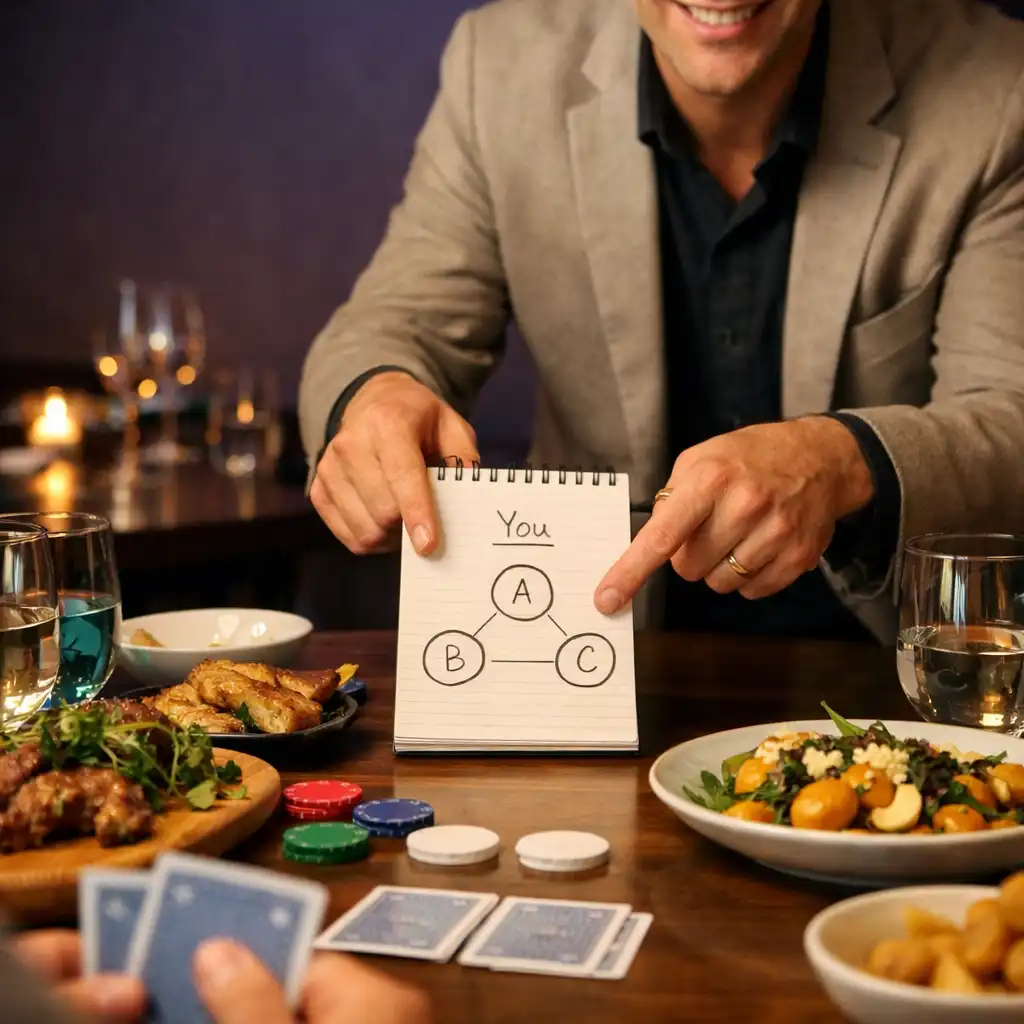
Restaurant host guiding a card-table gathering beside shared dishes and a neatly arranged place setting.
A host moment at a softly lit Australian dining table: a calm brief, room for shared dishes and an inviting pace.

Make service easy

Keep food, drinks and table props orderly while staff are moving around the group. Make room when dishes arrive, clear the centre when needed and pause rather than trying to manage every part of the activity through service. Cards and non-financial table chips should stay tidy, visible and well away from plates, glassware and walkways.

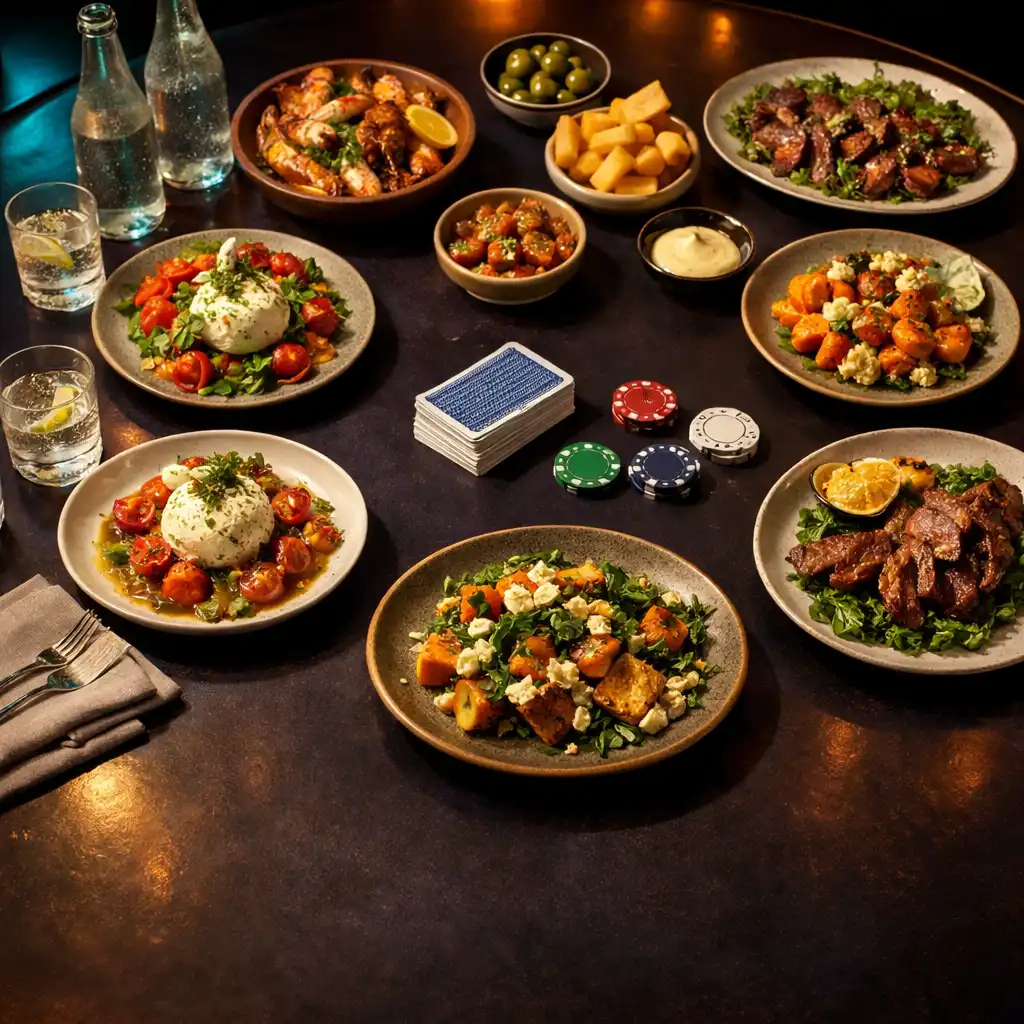
Seasonal shared plates, sparkling water, napkins, cards and non-financial table props arranged on a polished dining table.
Shared plates, water and a clear table centre make room for dinner, conversation and a later social table ritual.

Menu pairing

Let the meal support the evening

Dishes that can be shared, paused and returned to suit a relaxed table evening. Food works best when it supports conversation rather than demanding continual attention, so think in broad, flexible courses instead of a tightly timed procession. The goal is a meal that feels satisfying in its own right, with a natural place for the group to settle together.

Build in natural pauses

01

Arrive

Discuss the evening pace while ordering, and choose a start that gives everyone time to settle.

02

Settle

Leave a clear pause for hot dishes, so the group can eat and staff can serve comfortably.

03

Finish

Let a final course or tea create an easy close rather than rushing the table onward.

Seasonal signal

Use the season as a mood cue

Lighter choices can keep a warm evening feeling fresh, while richer options may suit a longer, cooler-night conversation. There is no need to overcomplicate it: let comfort, the length of stay and the group’s appetite guide the tone.

Gathering models

Three ways an evening can take shape

Use these adaptable restaurant-and-card-lounge scenarios as starting points, not guaranteed venue packages.

01

The weekday supper table

A small group can build a casual supper around a short, sociable session. An earlier reservation, shared dishes and an easy finish time keep the plan comfortable for friends with mixed experience. Let the meal establish the mood first, then use the table as a low-pressure way to extend the catch-up.

Use this as a starting point
Best for
A small mixed group wanting a relaxed catch-up.
Planning cue
Agree on arrival and finish time before the evening.
02

The celebration lounge

A birthday or reunion can feel more settled with a quieter room and a host-led welcome. Agree on the evening’s broad shape before arrival, then confirm whether the restaurant can accommodate the group in a suitable setting. A few shared dishes and clear introductions help everyone find their place at the table.

Use this as a starting point
Best for
A celebration with guests who may not all know each other.
Planning cue
Confirm the setting directly with the restaurant.
03

The long-menu night

Food-minded friends can make the meal the centrepiece while cards become a later social layer. Allow the main meal to unfold first, then shift into a quieter after-dinner rhythm if the room allows. This approach keeps the restaurant story intact while giving the group an unhurried way to continue the night.

Use this as a starting point
Best for
Friends who want dinner to remain the main occasion.
Planning cue
Leave the later table rhythm open and flexible.

Planning checklist

A five-point plan before you go

✓

Group size: give the restaurant or host a realistic number, including anyone who may arrive later.

✓

Timing: discuss when you hope to arrive, eat and ease into the table activity.

✓

Table shape: ask for enough room for dining, water and a clear shared centre.

✓

Food pacing: consider how shared dishes and hot courses can have their own pause.

✓

Comfort needs: raise accessibility, sound, seating or quieter-area preferences directly with the venue.

Practical answers

Questions diners often ask

Useful details to settle before inviting people to an in-person offline poker session over dinner.

Next field note

Start with the room you want to share

When you are shaping a considerate in-person evening, continue with host guidance for ideas on group comfort, food pacing and a restaurant setting that suits the people around your table.

Plan a gathering