Venue file / 10

In-person table culture

Top 10 Restaurant Guides

A dining-first field guide for people who want a memorable restaurant meal alongside a relaxed, in-person card-table atmosphere. These ten restaurant moods weigh the food, the room and the practical fit of the table, so your group can choose an evening that feels social without letting cards overshadow dinner.

Field note
Read these profiles as useful personalities, not a rigid scorecard. Match your group, meal pace and preferred level of table activity, then check a chosen venue’s current arrangements. A quiet, conversation-friendly room can be just as rewarding as an energetic late-night lounge.

Explore the 10
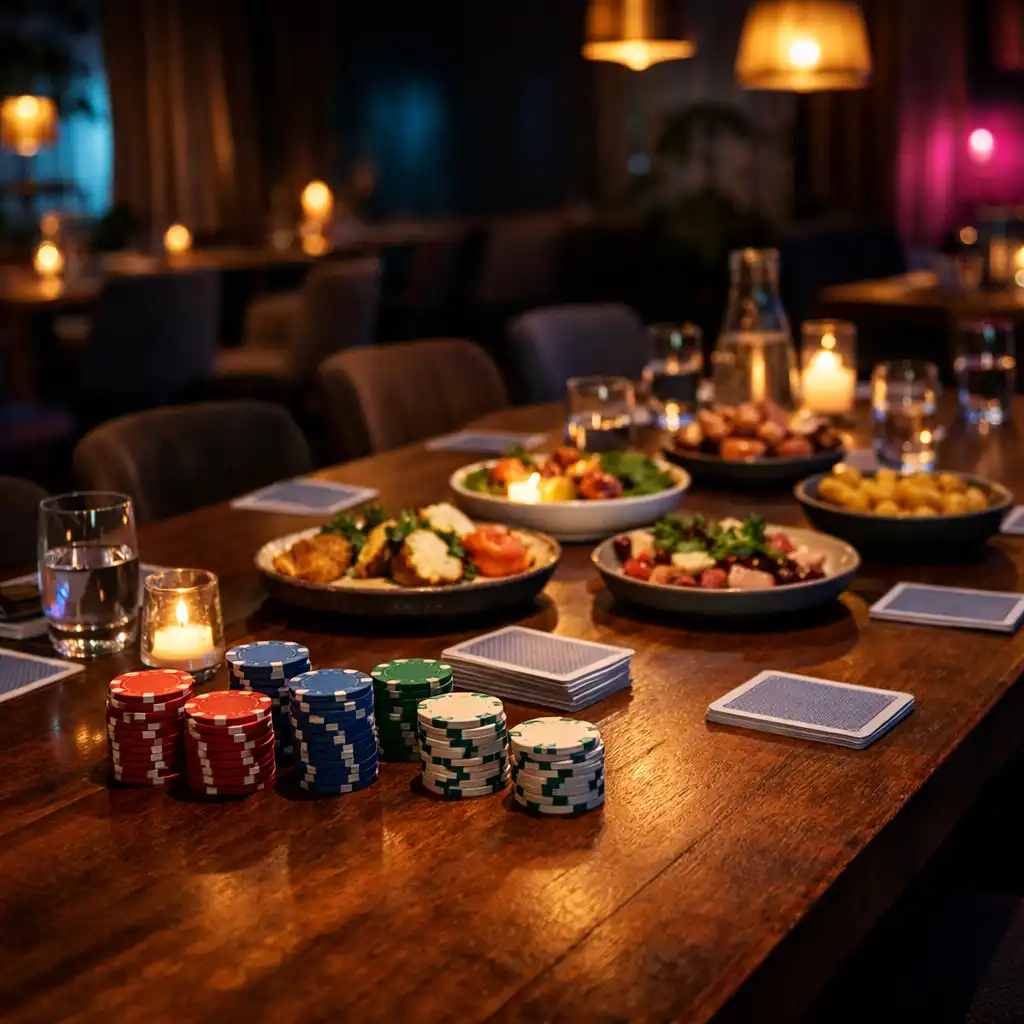
A warmly lit late-night restaurant table set with shared dishes, water glasses and a compact deck of cards.
Late-night dining room mood: shared plates, warm practical light and a table setup kept deliberately contained.

Table notes

The top ten, mapped by evening mood

These Top 10 profiles are mood-led restaurant formats rather than a universal best list. Use them to picture the evening you want: a slow supper, private gathering, early shared meal or late-night catch-up. The fact rails are conversation starters for checking details with a venue, while the dining notes keep the meal and the in-person card-lounge culture in their proper order.

MEAL / MOOD / TABLE FIT

01

The late-night dining room

For groups who want a proper meal before bringing out a compact deck, the late-night dining room is the clearest starting point. Order shared plates first, let mains arrive without interruption, then settle into one short round when the table has naturally slowed. Warm light, room around each place setting and staff-aware pacing matter more than spectacle. Keep any chips as non-financial table props and easy to clear.

Best for
Unhurried friends after dinner
Food rhythm
Shared plates, then mains
Table cue
Clear space beside water and plates
02

The neighbourhood bistro

An easy-going bistro suits a small regular group that values good conversation, familiar service and an unhurried finish. A four-person table works well when cards can be neatly cleared between courses rather than living across the table all night. Look for a setting where the group can settle without needing to rush the last chat. It is worth checking that the table is not needed for rapid turnover before making any in-person activity part of the plan.

Best for
Small regular catch-ups
Mood
Familiar and conversational
Table fit
Cards packed between courses
03

The food-first open kitchen

A chef’s counter or open-kitchen style room is for diners who want the meal to hold everyone’s attention. Theatre from the pass, smaller portions and a more considered service rhythm reward focus, so keep the table activity light and secondary. A brief card break after the main service is more comfortable than spreading props across a tightly paced meal. Let the food lead, then use the pause for a little shared table talk.

Best practice: keep the deck away until the meal has found its rhythm.

Best for
Food-led evenings
Mood
Attentive and lively
Table fit
A short break after mains
04

The private room with breathing space

A private dining room is the clearest format for a hosted evening that needs room for dinner, conversation and an organised card-table session. Ask practical questions about table shape, timing and whether a compact setup suits the room, rather than assuming anything. One host can welcome guests, explain the gentle rhythm of the night and make sure nobody feels obliged to join in. That preparation leaves more room for hospitality once everyone arrives.

Private-room question
Confirm details
Ask about
Table shape and service timing
Host cue
Welcome, then let dinner lead
05

The wine-bar supper

This compact, polished format suits two to four people who want substantial snacks, a thoughtful pour and a low-key hand of cards between plates. Choose the food format your guests will enjoy even if the deck stays in its case. Keep the table clear, the session short and the conversation easy. The appeal is the intimate supper mood, not a formal programme of activity.

Best for
Two to four diners
Food rhythm
Substantial snacks
Table cue
Short, contained session
06

The early-evening terrace

A terrace or courtyard restaurant can make for a sociable early meal and relaxed table talk before the night becomes cooler or busier. Treat the setting as a planning question: consider light, breeze, surface stability and background noise. Simple cards that can pause easily work best when food arrives or conversation shifts. A stable table and a comfortable level of sound will do more for the group than elaborate props ever could.

Weather
Check comfort as daylight fades
Noise
Leave room for conversation
Table stability
Keep the setup simple
07

The composed hotel dining room

A hotel dining room can suit interstate friends or a celebratory dinner when the card-lounge feel should stay understated. Choose a reservation time that allows the meal to settle before any table activity begins. Keep cards and contained props tidy and easy to remove whenever staff approach. The strongest version of this evening feels like a well-paced dinner with an extra social layer, never a takeover of the room.

Best for
Celebratory catch-ups
Table manners
Props away during service
Mood
Composed and understated
08

The shared-table banquet

A banquet-style restaurant is a lively option for larger groups because shared dishes naturally create pauses for conversation and rotating table roles. Agree on the purpose first: a shared meal, a catch-up and light entertainment. Then choose a short, simple format that guests can join between dishes or skip altogether. This works best when the table’s energy remains generous and inclusive, with the food providing the common thread.

Best for
Four people and larger groups
Food rhythm
Shared dishes and pauses
Table cue
Optional participation
09

The refined pub dining room

A refined pub dining room offers a flexible middle ground: hearty food, a familiar atmosphere and enough ease for a spontaneous in-person table session. Look for a quieter dining area rather than the busiest walkway, then keep a meal-first rhythm and a respectful finish time. The point is to give friends an easy place to gather, not to ask the room to change around your table.

Look for
Quieter dining area
Food rhythm
Meal first, then a pause
Finish
Read the room respectfully
10

The all-day dining room

An all-day dining room is an approachable daytime format where lunch, coffee and a short card-table activity can fit naturally around conversation. Natural daylight, comfortable seating and an easy exit point make it especially welcoming for guests new to card-lounge culture. Keep everything in-person and offline, and make the meal worthwhile on its own terms. It is a gentle entry into the wider guide’s restaurant-first approach.

Best for
Daytime introductions
Mood
Relaxed and accessible
Table cue
Easy pause and exit point

Selection logic

Build a shortlist from the room, not the rank

Start with group size and meal style, then ask whether the room supports conversation and a neat, respectful table setup. The most useful choice is the one that feels right before anyone opens a deck. Keep all activity in-person and offline, and use these three signals to turn the ranking into a realistic shortlist.

01

Meal rhythm

Choose between a slow supper, shared plates or a quick daytime catch-up. The food pace should give people natural chances to talk and pause.

02

Room behaviour

Consider noise, lighting and how much attention a table setup demands. A calmer room may suit the group better than a busier scene.

03

Group fit

Think about how well guests know one another and how long they will stay engaged. The best plan gives everyone a comfortable way in.

Choose space that still feels like dinner

The best table is not necessarily the largest. Diners need clear room for plates, water and conversation, while a compact deck and a few non-financial chips can remain contained. A good setup lets staff serve comfortably and lets the group pack everything away promptly between courses.

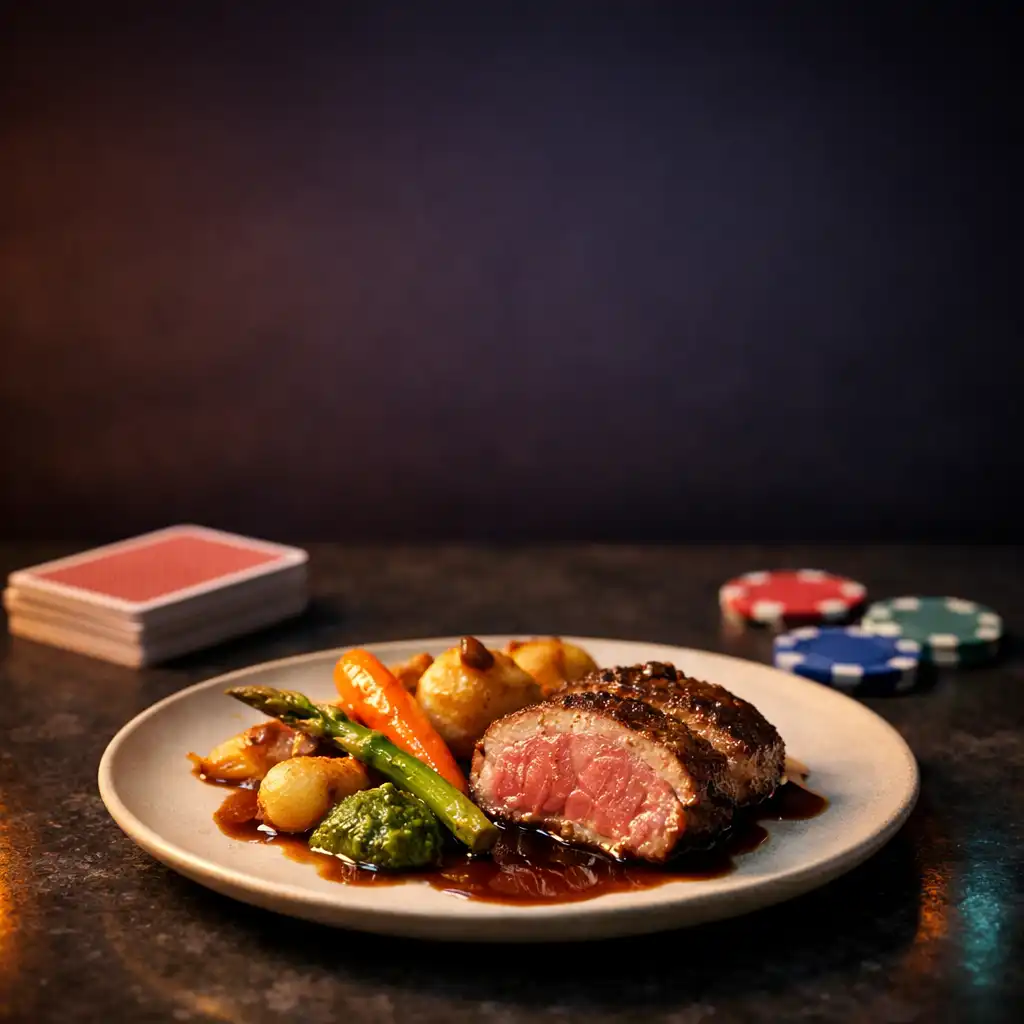
A seasonal plated main beside a modest face-down deck of cards on a restaurant table.
Food remains the anchor: a seasonal plate at a table arranged for easy conversation.

Let the menu set the pace

Use food as the final lens. Seasonal plates, shared dishes and paced service can make the card-lounge element feel social rather than distracting. Start with a format guests will enjoy even if cards never leave the deck, then explore our Seasonal Menu Pairings for more dining-led inspiration.

Session window

Plan the evening around hospitality

For an in-person restaurant card-lounge evening, settle in first, enjoy the opening course and introduce the table activity only once the group feels comfortable. Pause whenever service needs attention. The table should remain a shared social space rather than a takeover of the meal, with compact props that are easy to clear and a rhythm that leaves room for everyone.

Host brief / 01

Set the tone before the first course

Confirm the group’s appetite for a card-lounge touch, choose an easy shared rhythm and leave space for guests who simply want dinner and a chat. A simple welcome and clear expectations help everyone relax. Participation should remain optional, while conversation stays central from the first course onward.

Table kit / 02

Keep the table setup light

Bring only what supports the occasion: a tidy deck, minimal non-financial chips if desired and a small plan for putting everything away without disrupting plates or staff. Leave generous clear space for food and drinks so the table still reads as dinner.

  • A compact deck
  • Contained table props
  • A small pouch or case

Exit cue / 03

End with the room in mind

Finish while the room still feels comfortable, thank staff and leave the table in a condition that respects the restaurant’s service flow. Read the room rather than extending the session through a busy turnover. A graceful finish is part of a successful in-person evening.

Good room manners

Gathering route

Taking the guide from a casual supper to a group gathering

Planning a birthday dinner, reunion or regular catch-up? A good gathering begins with the meal, a clear group mood and a table plan that gives staff room to work. Our private-gathering guide covers practical questions to raise when considering a private or semi-private space, helping you build an in-person, offline evening that feels welcoming from arrival to farewell.

Plan a gathering
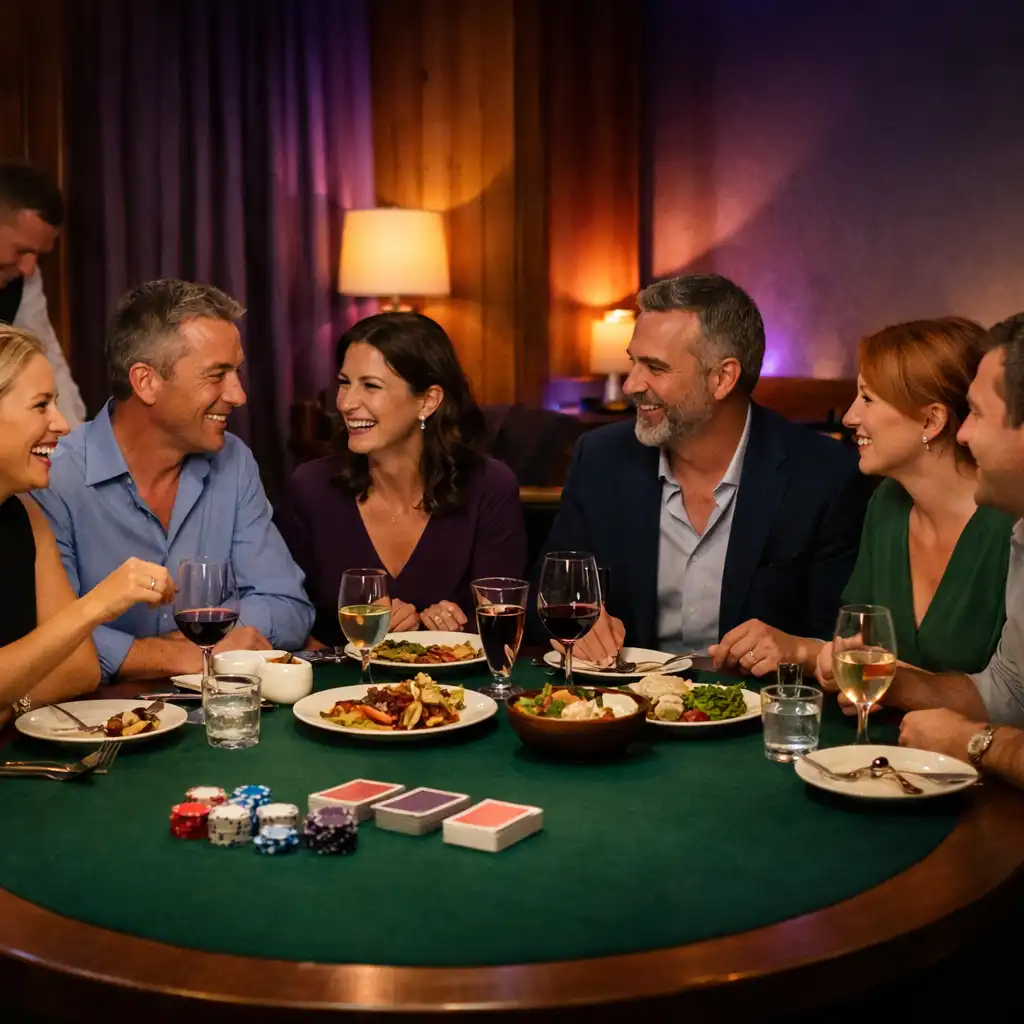
Friends gathered around a reserved restaurant table while a host checks place settings.
Illustrative gathering context: a reserved dining table with space for shared plates and easy conversation.

Practical questions

Practical questions, answered

A few final checks can make restaurant choice and group planning feel much simpler.