Atmosphere file / AU

Restaurant Mood and Atmosphere

The right room does more than look good: it shapes conversation, meal pacing and whether an in-person card-table session feels easy rather than forced. Top 10 Guides AU shares restaurant stories connected to offline poker, card rooms, poker tables and card-lounge culture, always with food and hospitality first.

Read the roomChoose the tablePlan in-person table time
Start with the room signals
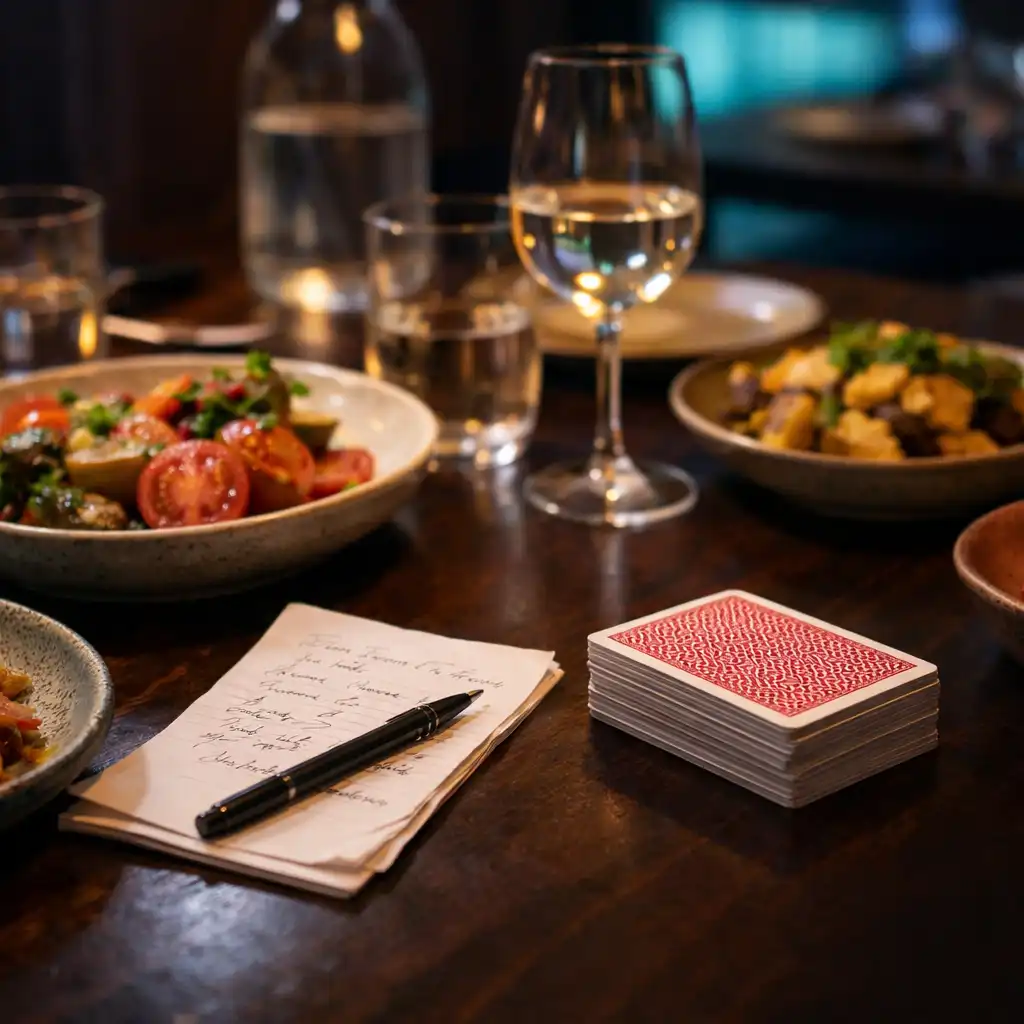
A warmly lit restaurant table set for dinner and a relaxed in-person card session
Late-evening shared table: warm pendant light, dinner conversation and a compact card set kept to one side.

Table notes

Read the room before you settle in

Atmosphere is easier to judge when you separate it into a few visible signals. Notice the light, listen to the room, look at the space around seats and consider how quickly the evening seems to move.

01

Light that lets the table breathe

Look for warm pools of light, table lamps or a glare-free position that lets everyone read menus and cards comfortably. A softer setting can suit a slower dinner when the table still feels clear, welcoming and easy to see across.

Look for: calm light for small-group conversation
02

Sound with room for conversation

Rather than relying on a vague lively label, listen for a steady room hum. The useful test is whether people at one table can speak naturally without competing with music or nearby groups during an in-person social session.

Best for: groups who want to keep talking

03

Seats, space and service flow

Chair spacing and clear staff routes help a table settle between courses. Booths can feel close, round tables support shared talk and long tables suit wider groups, provided everyone leaves room for plates, staff movement and nearby diners.

Settle-in friendly
04

A pace that matches the plan

A brisk, energetic room can work for a short social stop. Measured service can suit an unhurried late-evening meal. Neither is better; the useful choice is matching the room’s tempo to the time your group actually wants together.

Match it to: quick reset or longer meal

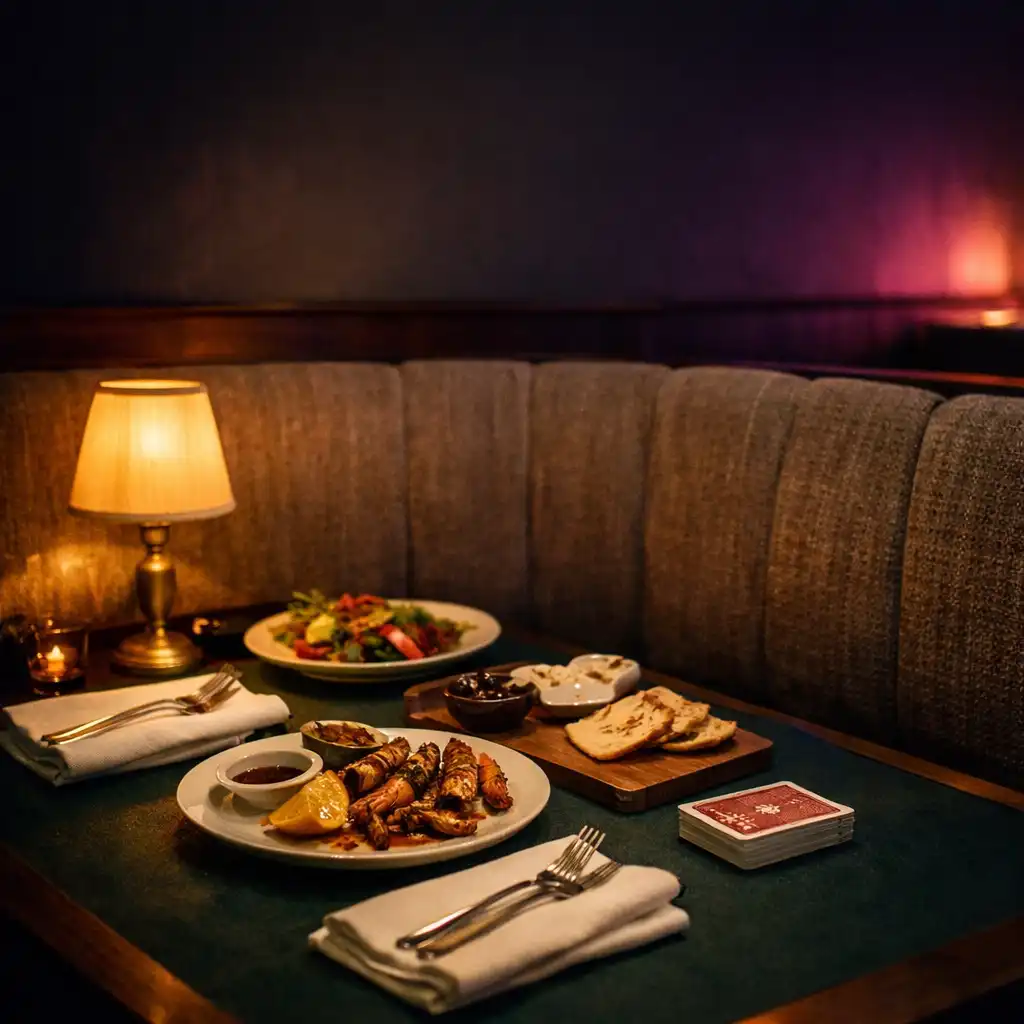
A softly lit restaurant booth with shared plates and a tidy deck of cards beside the meal
Low-lit booth study: sheltered seating, a clear table edge and enough light for dinner details.

Mood profile / low-lit

The quiet booth: close, calm and considered

Quieter, lower-lit settings can suit close friends, date nights and small groups that prefer an unhurried meal before bringing cards to the table. Intimate should not mean too dark to read a menu or follow a simple card game; a small lamp or gentle side light makes a real difference.

When available, a booth or sheltered corner can give conversation a softer edge. It is still worth keeping the table surface clear and checking that the group can sit comfortably without turning the meal into a squeeze.

Ask, don’t assume

Four useful questions before you book

  1. Could a table shape suit the number of people in our group?
  2. Is there a quieter corner we can request if one is available?
  3. What meal pace should we expect for the evening?
  4. Is there enough practical table space for plates, glasses and a compact card set?

Session window

Pick a mood route, not just a table

Start with the kind of evening your group wants, then use that mood as a practical filter while choosing a restaurant. These are atmosphere routes, not promises about any particular dining room.

01

Shared plates, easy tempo

The shared-table room suits friends who want the meal to be the centrepiece, with cards appearing between courses as an easy social thread. Look for a broad table, generous shared dishes and a group that enjoys talking across the whole setting.

Choose it when food and conversation lead
02

A lively room with a quick reset

An energetic dining room can suit a shorter, brighter outing where the group wants a little buzz and a simple card break rather than a long settled session. It works best when everyone is comfortable with background sound and movement.

Choose it when the plan stays light
03

A tucked-away lounge corner

A lounge-like corner suits a smaller group looking for softer light, closer conversation and a longer pause after the main meal. Upholstered seating or a tucked-away table can be helpful clues where available; keep any table materials compact.

Choose it when calm is the priority
04

Plan ahead

A planned private gathering

A private-feeling set-up suits a host planning a defined group occasion, where seating order, meal timing and table use can be considered before guests arrive. Ask the restaurant what layout and timing may suit the gathering.

Choose it when the group needs a clear brief

Menu pairing

Let the meal set the tempo

A good dinner-and-cards rhythm protects the meal. Begin with arrival and conversation, let starters set the pace, then leave any card-table moment for a natural gap instead of forcing it into service. The cards are a social addition to an in-person table, never the point of the meal.

Use the room’s own rhythm as the guide. If plates are arriving, clear the space. If the table is relaxing after a course, a short, tidy round can feel like an easy continuation of the conversation.

Arrive
settle in
Share
start the meal
Pause
keep the table clear
Close
coffee or dessert
Shared seasonal plates, water glasses, table notes and a neatly stacked deck of cards between courses
Shared plates and table notes: keep food, glasses and service space at the centre of the setting.

Host guidance

Plan the gathering with the room in mind

A thoughtful host decides the group size, preferred atmosphere, meal style and likely moment for cards before inviting people. Keep the plan flexible around service and guest comfort, so the evening feels like a restaurant gathering first and an easy in-person social session second.

  1. 01Set the group brief: choose a conversation level, meal style and a loose arrival window everyone can understand.
  2. 02Choose a compact table plan: make room for plates, glasses and staff before any cards come out.
  3. 03Make the card moment optional: guests should be able to eat, talk or simply watch without pressure.
  4. 04Reset quickly when service changes: clear cards for food and let the restaurant’s pace lead.

Gathering layout

Give the group room to move

For larger groups, the easiest table is one with clear service access, enough elbow room and a seating shape that lets guests join the same conversation. Long tables, grouped tables and private rooms are all arrangements to ask about politely, never assumptions about availability.

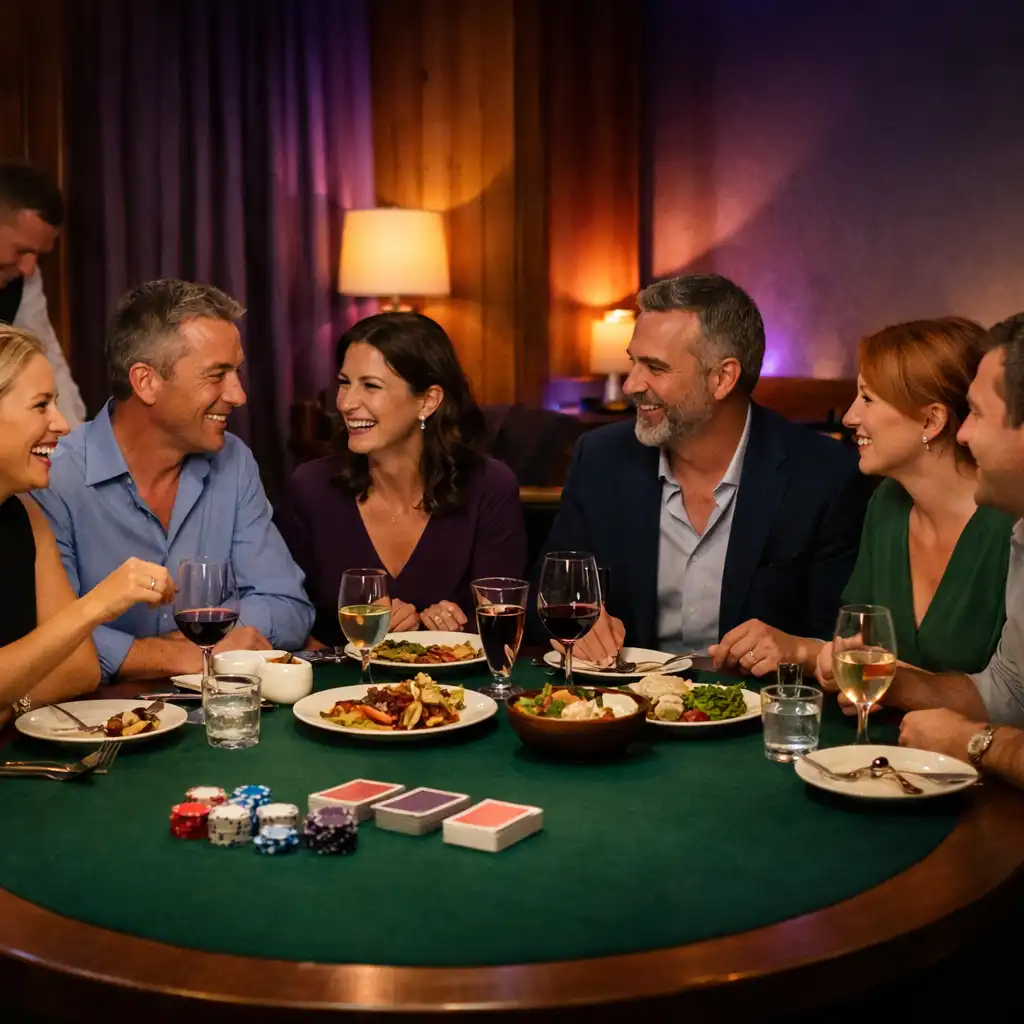
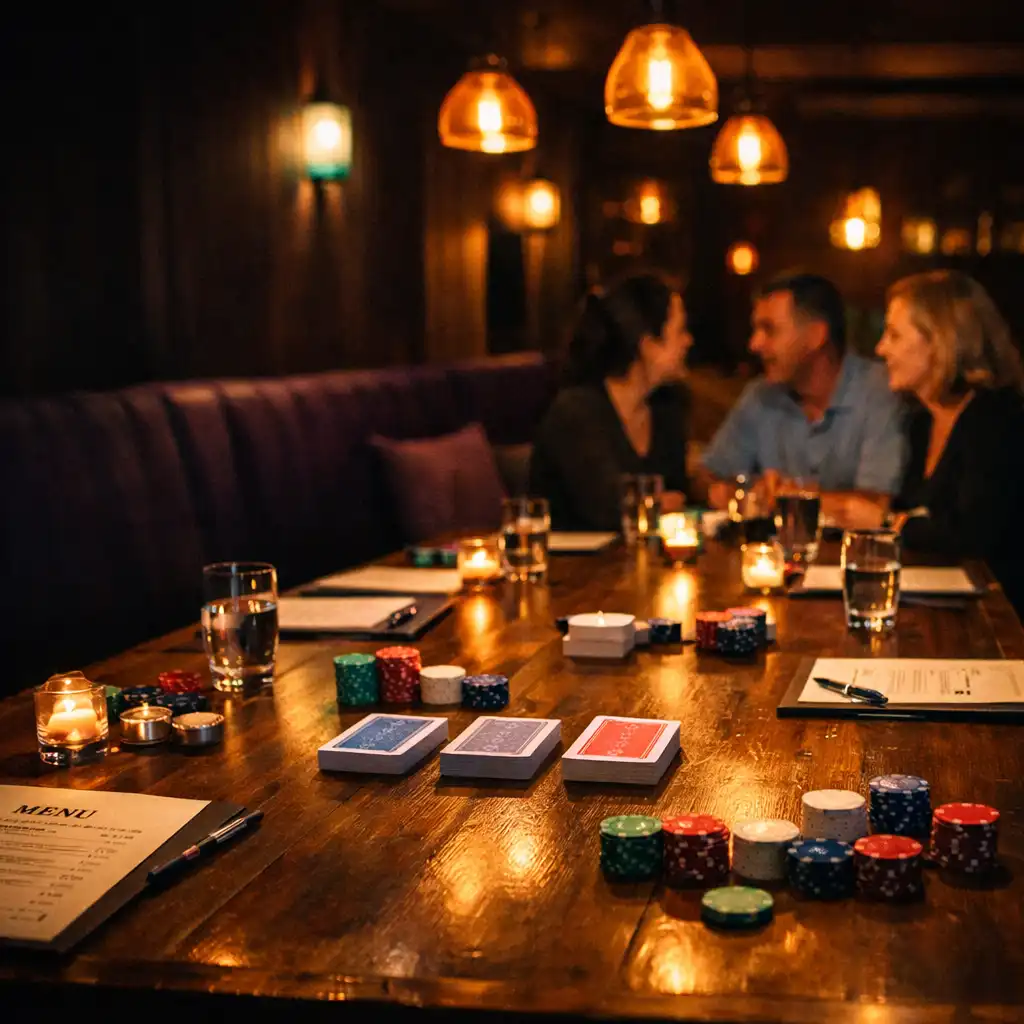
A private restaurant gathering arranged around a long table with shared food, water and a tidy card set
Private restaurant gathering: a spacious table arrangement with room for food, guests and staff movement.

Flow

Seat for conversation and flow

Place the host where they can welcome arrivals, keep guests with mobility needs near an easy route and avoid blocking staff movement. A simple seating plan can make the first few minutes feel settled.

Welcome pointShared conversation lineClear staff route

Scale

Match the group to the table

A practical group size is one where people can see, hear and share without reaching over plates or crowding the edge. Adjust the plan to the actual table offered rather than working from a fixed number.

Timing check

Set a gentle time frame

If the night has a defined start or finish, tell guests early. Keep the card-table portion flexible so service rhythm remains the guide and the group can relax into the meal.

Mood selector

Find your best-fit mood

Make a quick atmosphere choice by considering conversation level, meal pace and how much preparation the group is comfortable with. The questions are a self-check, not a venue ranking; every route below stays visible as practical guidance.

How much room does your group want for conversation?

What meal pace sounds most comfortable?

How defined is the group set-up?

Current route: choose an option to highlight a useful planning direction.

Calm table route

If calm is the priority

Choose quieter tables, a measured meal and a compact card set brought out only in natural pauses. This route returns to the earlier signals: gentle light, easy conversation and a clear table surface.

  • Request a settled position where possible
  • Let courses lead the timing
  • Keep the social set-up small

Buzzing room route

If energy is the priority

A lively dining room can work when the group expects shorter table time and stays flexible around service. Keep the plan food-first and treat cards as a quick social reset.

  • Expect background movement
  • Keep materials tidy
  • Finish with the room’s tempo

Hosted night route

If planning is the priority

Ask early about table shape, meal timing and the simplest arrangement for the group. Green here is a planning-readiness cue, not confirmation that a venue has a particular space available.

  • Share a clear guest brief
  • Allow room for service flow
  • Review the gathering layout guidance

Take the mood check with you

Carry three checks into your next restaurant choice: choose the room, protect the meal’s pace and keep the table comfortable for everyone. Use the broader guides for more food-first inspiration around relaxed, in-person atmosphere.

Explore restaurant guides

Final checks

Practical answers before you go

Use these direct answers to settle the last details before choosing the restaurant and gathering the group.

A suitable table gives the group enough room to eat, speak and use a small card set without crowding plates, staff or nearby diners. Start with food-first pacing: clear the surface when courses arrive, keep cards compact and choose a setting where conversation can happen comfortably. The best in-person, offline table moment feels like part of the evening, not a disruption to hospitality.